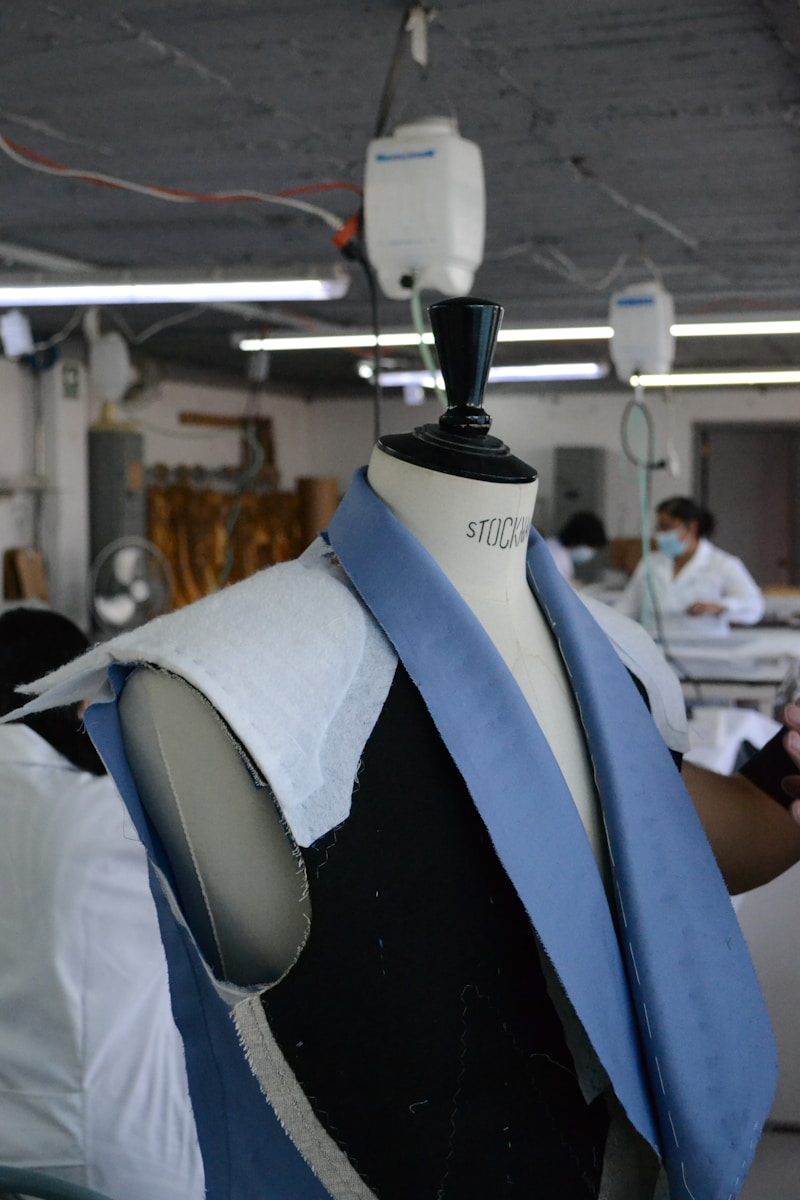
The Art of Bespoke Tailoring: Investing in Wardrobe Excellence
Ready-to-wear dominates modern menswear, but discerning gentlemen still seek the superior fit, quality, and individuality of bespoke tailoring. Understanding the craft, process, and value proposition of custom clothing transforms how you approach wardrobe building.
Bespoke vs. Made-to-Measure vs. Ready-to-Wear
Ready-to-wear:
Mass-produced in standard sizes. Fit is approximate at best. Even expensive designer ready-to-wear rarely fits properly without alterations.
Made-to-measure:
Garments constructed from pre-existing patterns adjusted to your measurements. Better fit than ready-to-wear but limited customisation.
Quality varies enormously—some made-to-measure approaches true bespoke, while others barely improve on ready-to-wear.
Bespoke:
True bespoke means a unique pattern drafted specifically for your body, with multiple fittings to refine fit progressively. Each detail is customisable.
Savile Row maintains strict definitions—hand-stitched canvas interlinings, minimum 50 hours labour, three fittings minimum.
Why Bespoke Matters
Perfect fit:
No ready-made garment accommodates individual physique variations—sloping shoulders, longer arms, fuller chest, prominent seat. Bespoke addresses every aspect.
The result is clothing that moves with you naturally, looks elegant from every angle, and feels comfortable throughout the day.
Quality construction:
Hand-stitching, floating canvas fronts, hand-padded lapels, carefully matched patterns—bespoke craftsmanship far exceeds industrial production.
These techniques create garments that drape beautifully, maintain shape over years, and improve with wear rather than deteriorating.
Personal expression:
Choose every detail—cloth weight and pattern, button style, pocket shape, lapel width, vent configuration. Your suit becomes unique.
Longevity:
Quality bespoke suits last decades with proper care. The cost per wear over 15-20 years often beats seemingly cheaper alternatives.
The Savile Row Tradition
Savile Row represents tailoring’s pinnacle. Houses like Huntsman, Anderson & Sheppard, Dege & Skinner, and Gieves & Hawkes maintain centuries-old traditions.
The house style:
Each establishment possesses distinctive cutting styles. Huntsman’s powerful shoulder and tapered waist create dramatic silhouettes. Anderson & Sheppard’s softer shoulder and draped front suit different physiques and preferences.
Understanding house styles helps match tailor to personal aesthetic. Visit multiple houses, examine their work, and identify approaches that resonate.
The cutters:
Master cutters spend decades perfecting their craft. They assess posture, movement patterns, and proportions to create patterns that address individual characteristics.
Relationships between cutter and client develop over years. Your cutter understands how your body changes, your lifestyle needs, and your style evolution.
The Bespoke Process
First consultation:
Discuss lifestyle, needs, and style preferences. The tailor assesses your existing wardrobe and suggests approaches.
Examine cloth bunches—hundreds of fabric options from prestigious mills like Holland & Sherry, Scabal, Loro Piana, and Dormeuil.
Measurement:
Comprehensive measurements—30+ data points capturing your physique precisely. The cutter also observes posture, shoulder slope, and body asymmetries.
Pattern drafting:
The cutter creates your unique pattern, incorporating measurements and adjustments for identified characteristics.
First fitting (baste):
Rough-sewn garment in inexpensive cloth reveals how pattern translates to three dimensions. Adjustments address fit issues.
This stage requires trained eye—patterns are marked directly on fabric showing where adjustments are needed.
Second fitting:
Garment constructed in your chosen cloth. Fine-tuning of sleeve length, collar height, trouser break, and detailed adjustments.
Final fitting:
Finished garment. Minor adjustments if needed—moving buttons slightly, adjusting trouser waistband.
Timeline:
Traditional Savile Row bespoke requires 8-12 weeks minimum. Italian tailors sometimes work faster—6-8 weeks.
Rush orders are possible but compromise quality. Proper bespoke cannot be hurried.
Investment Levels
Entry bespoke:
Starting around £3,000-4,000 for a two-piece suit. Younger Savile Row tailors or established regional tailors offer this level.
Expect good fit, quality construction, though perhaps less hand-finishing than top-tier houses.
Mid-tier bespoke:
£5,000-8,000 per suit from established Savile Row houses or top Italian tailors. Excellent cloth options, full hand-finishing, impeccable fit.
This level suits most clients seeking authentic bespoke excellence without extreme expense.
Top-tier bespoke:
£8,000-15,000+ from prestigious houses for complex garments or rare cloths. Some houses charge even more for exclusive fabrics or extensive hand details.
Vicuña cloth suits might reach £20,000-30,000. At this level, you’re paying for ultimate materials and prestige.
Essential Wardrobe Building
Start with navy suit:
Versatile, appropriate for almost any occasion. Navy worsted in mid-weight (10-11 oz) works year-round.
Add charcoal grey:
Your second suit should be charcoal—slightly less formal than navy but equally versatile.
Mid-grey flannel:
For autumn and winter. Flannel’s texture adds visual interest while remaining conservative.
Odd jackets:
Navy blazer, tweed sports coat, checked jacket. Odd jackets provide variety and extend wardrobe combinations.
Trousers:
Grey flannel, cavalry twill, corduroy. Multiple trouser options multiply outfit possibilities exponentially.
Fabric Selection
Weight:
Lightweight cloths (7-9 oz) suit warm climates. Mid-weight (10-11 oz) works year-round. Heavyweight (12-14 oz) is winter-specific.
Weave:
Worsted provides smooth finish and sharp drape. Flannel offers texture and warmth. Tweed is casual and characterful.
Pattern:
Solid colours remain most versatile. Subtle patterns—pinstripes, windowpanes, herringbone—add interest while maintaining formality.
Mills:
Holland & Sherry, Dormeuil, and Scabal offer vast ranges. Loro Piana provides superb quality. Vintage mills like Lesser and Fox Brothers supply characterful tweeds.
Details That Matter
Lapels:
Notch lapels for business suits. Peak lapels add formality and distinction. Width should balance face and body proportions.
Pockets:
Flap pockets are standard. Ticket pockets add Savile Row flair. Patch pockets suit casual jackets.
Vents:
Double vents (side vents) flatter most figures and accommodate movement. Single centre vents are traditional but less flattering when sitting.
Buttons:
Horn buttons are standard. Mother-of-pearl elevates formality. Corozo (vegetable ivory) provides character for casual jackets.
Linings:
Bemberg or silk linings feel luxurious. Choose quality—lining failure ruins otherwise perfect suits.
Italian vs. English Tailoring
English (Savile Row):
Structured, defined shoulders, slightly rigid front. Creates commanding silhouette emphasising chest and suppressing waist.
Suits military tradition—creates impression of strength and authority.
Italian (Neapolitan):
Soft, unconstructed shoulders, draped front, minimal padding. Emphasises elegance and ease.
More casual, comfortable aesthetic. Particularly suited to warmer climates.
Personal preference:
Neither is superior—choose based on personal style, body type, and intended use.
Care and Maintenance
Wearing:
Rotate suits—never wear the same suit consecutive days. Wool needs rest to release moisture and recover shape.
Use wooden hangers maintaining shoulder shape. Cedar hangers deter moths.
Cleaning:
Dry clean sparingly—chemicals damage wool fibres. Brush suits after wearing, spot clean minor marks, air garments between wears.
Steam periodically to refresh and remove wrinkles. Professional pressing annually maintains crisp appearance.
Storage:
Garment bags protect from dust and moths but must be breathable—plastic bags trap moisture.
Cedar blocks or lavender sachets deter moths naturally.
Repairs:
Address minor issues promptly. Your tailor can reattach buttons, repair small tears, or replace worn pockets.
Major repairs—replacing linings, reweaving fabric—are worthwhile for quality bespoke garments.
The Value Proposition
A £6,000 bespoke suit worn twice weekly for 15 years costs £4 per wear. A £2,000 ready-to-wear suit lasting five years and fitting poorly costs £8 per wear.
This calculation ignores the intangible benefits—perfect fit, superior comfort, personal expression, and confidence that comes from knowing you’re impeccably dressed.
Bespoke tailoring isn’t mere extravagance—it’s investment in quality, craftsmanship, and personal presentation that rewards throughout decades of wear.
True bespoke tailoring represents one of the last bastions of traditional craftsmanship, creating garments perfectly tailored to individual physique, lifestyle, and aesthetic preferences.